L O A D I N G

The way we sleep matters more than we often realise

Sleep is closely connected with how the brain processes information, restores attention and supports everyday memory. Dementia is a complex medical condition with many contributing factors, so no pillow can prevent or treat it. But creating a more comfortable, supportive sleep environment is one practical part of looking after healthy sleep habits.

Explore the Design
img

A better conversation about memory starts with sleep

Memory changes can have many causes, and occasional forgetfulness should not automatically be interpreted as dementia. Sleep is one of the everyday factors worth considering when thinking about cognitive wellbeing.

The pillow itself does not affect dementia or replace medical care. Its role is much simpler: it is designed to support the head, neck and shoulders while you sleep.

Support where the head needs it

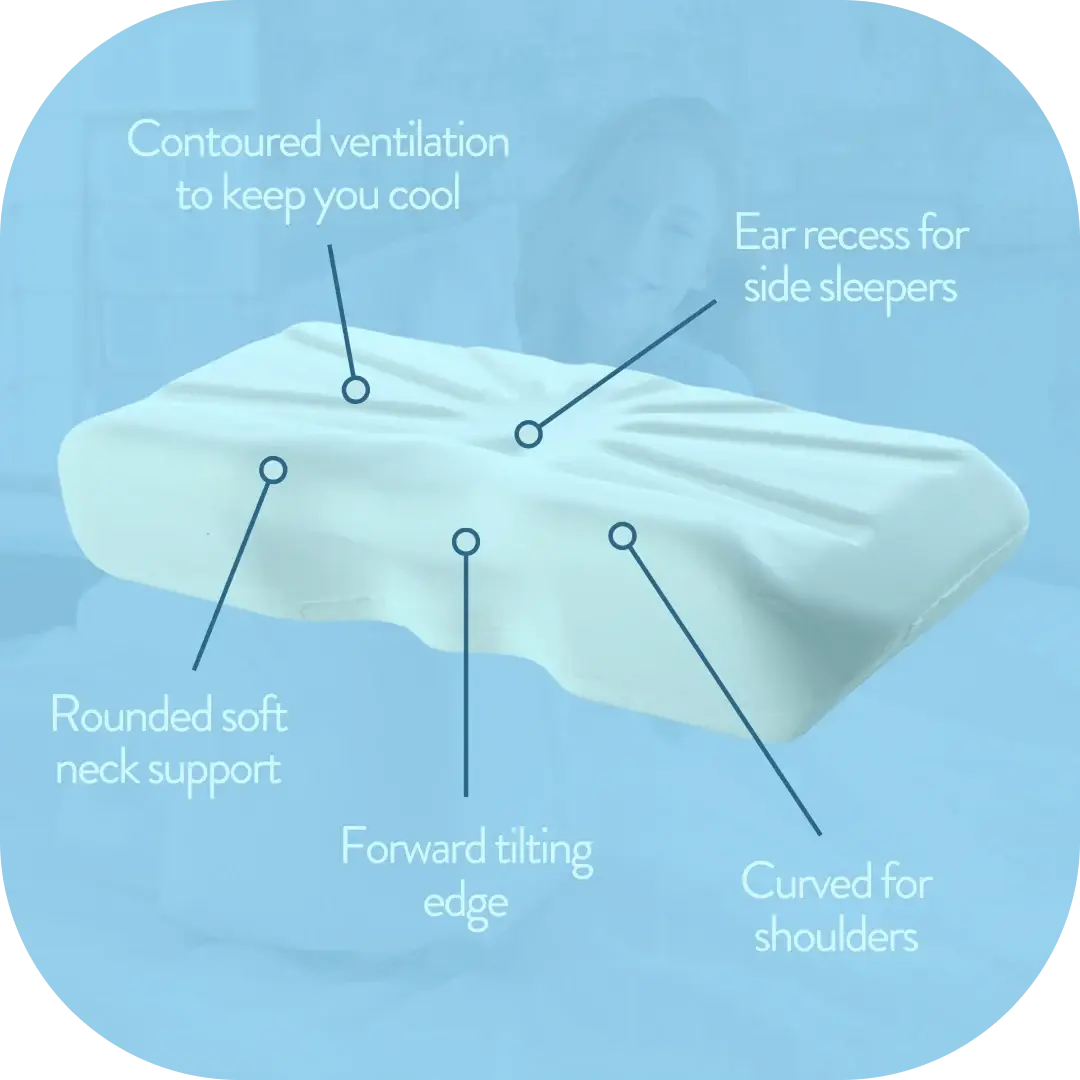
A contoured shape provides a defined area for the head rather than relying on a completely flat surface. This can make the sleeping position feel more stable.

Designed around the neck and shoulders

The shape follows the natural space around the neck and shoulders, providing structured support rather than allowing the head to drop deeply into the pillow.

Memory foam that holds its shape

High-density memory foam is used to create a supportive sleeping surface. The material is designed to provide consistent cushioning rather than behaving like a loose-filled pillow.

customize

What the Sleeping Position Can Change

The relationship between sleep and memory is more complicated than simply counting hours in bed. Dementia also has multiple causes and should never be attributed to the choice of a pillow.

What can be considered is the physical sleep environment — particularly the way the head and neck are supported during the night.

A More Defined Sleeping Position

The contoured design creates specific areas for the head and neck rather than allowing the pillow to flatten completely beneath the head.

Designed for:

  • check A more structured sleeping surface
  • check Head and neck support
  • check Back and side sleeping
View the Design
Support Between the Head and Shoulder

When sleeping on the side, the distance between the head and mattress is different from when sleeping on the back. A shaped pillow is designed around this difference rather than using one completely uniform surface.

Designed for:

  • check Side sleeping
  • check Back sleeping
  • check Consistent cushioning
See the Details
A Practical Part of the Bedroom Routine

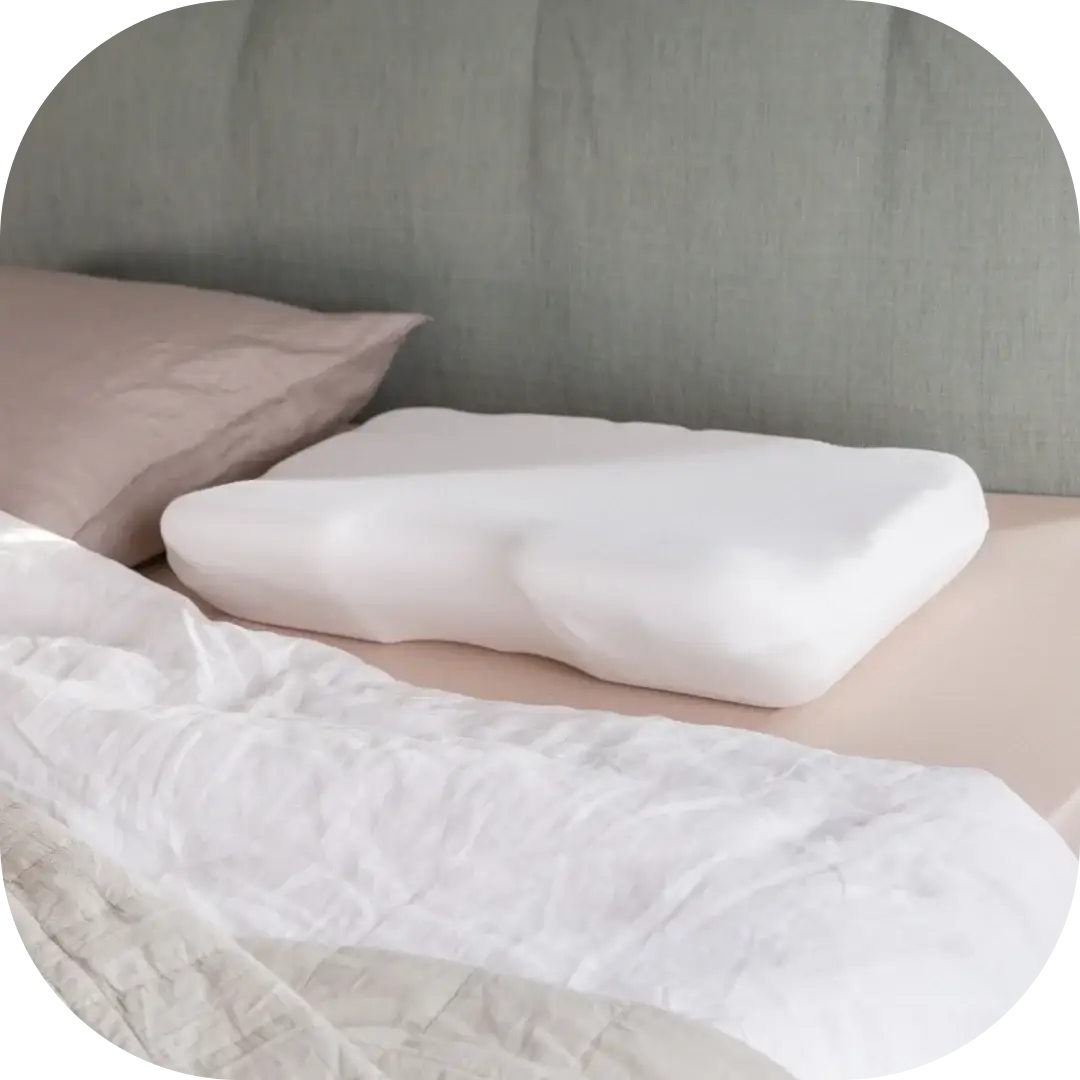
The pillow combines memory foam with a removable cotton cover and is manufactured in the UK. Its conventional size also makes it straightforward to incorporate into an existing bedroom setup.

Designed for:

  • check Regular nightly use
  • check A familiar pillowcase
  • check Easy integration into the existing sleep routine
Learn More
customize
Understanding the Connection

What Do Sleep, Memory and Dementia Have in Common?

Can sleep affect memory?

Sleep is involved in normal processes associated with learning, memory and cognitive functioning. Poor or disrupted sleep can affect how alert and focused a person feels during the day. However, this does not mean that improving sleep prevents dementia. Dementia is a group of complex conditions with different causes, and sleep is only one aspect of overall health.

Can changing a pillow prevent dementia?

No. A pillow should not be presented as a way to prevent, treat or reverse dementia. Its role is much narrower: supporting the head, neck and shoulders during sleep. If someone has ongoing or worsening memory changes, appropriate medical advice is more important than changing a sleep product.

Why does pillow shape matter?

The head, neck and shoulders do not remain in exactly the same relationship in every sleeping position. A contoured pillow uses different sections of its profile to provide a more defined sleeping surface. Memory foam also provides cushioning while maintaining the shape of the pillow, rather than behaving like loose filling.

Is better sleep the same as protecting against dementia?

No. These concepts should not be confused. Healthy sleep is one component of general wellbeing, but there is no basis for claiming that a particular pillow protects someone against dementia. A supportive pillow can instead be considered as one small improvement to the physical environment in which sleep takes place.

Who might consider a supportive pillow?

Anyone looking to change the physical setup of their bedroom can consider a contoured memory-foam pillow, particularly people who prefer structured support around the head and neck. It should not be selected as a treatment for memory problems or dementia. If cognitive changes are persistent, unusual or affecting everyday activities, speaking with a healthcare professional is the appropriate course of action.

A More Considered Approach to Nightly Rest

Cookies

We use cookies to improve website performance and user experience. If you continue to browse the site, you agree to the use of cookies. You can disable cookies at any time.